

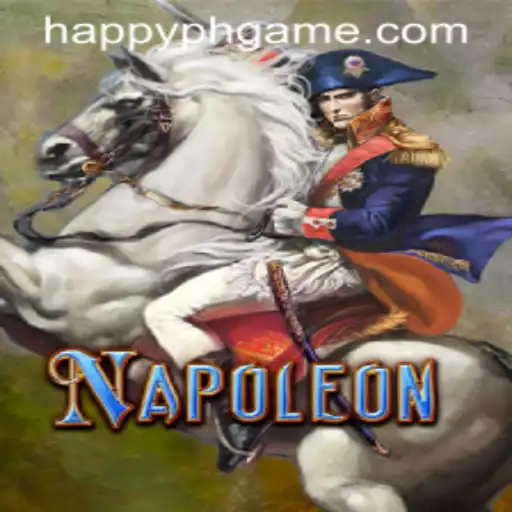

Explore the captivating world of Napoleon, a classic trick-taking card game that combines strategy, skill, and chance. Learn about its origins, gameplay, and rules.
The Classic Card Game: Napoleon
Throughout history, card games have enthralled enthusiasts with their blend of skill, strategy, and chance. Among these, the game Napoleon stands out as a classic trick-taking card game with a rich heritage. Named presumably after the famous French emperor, Napoleon has continued to captivate both casual players and card game aficionados with its simplicity and depth.
Origins and Historical Background
Napoleon is believed to have been introduced in the early 19th century, around the time of the Napoleonic Wars, hence its name. While the exact origins are somewhat ambiguous, it is believed to have roots in military circles where leisure time during campaigns might have been spent engaging in strategic games.
This game has witnessed numerous adaptations, spanning across countries, each variant echoing cultural influences. As Napoleon weaves its way into modern gaming culture, it maintains a strong presence among card enthusiasts worldwide.
Introduction to Napoleon: The Gameplay
Napoleon is typically played with a standard deck of 52 cards and is best suited for three to five players. The game, much like its namesake, revolves around leadership and strategic prowess. The primary objective for the main player, known as the "declarer," is to fulfill a self-declared number of tricks during gameplay. Successfully doing so results in a win, while failing to achieve this results in a loss.
Setup and Dealing
To commence the game, a standard 52-card pack is shuffled thoroughly. Players take turns dealing the cards. The entire deck is dealt out, so each player receives an equal number of cards. Any surplus cards are set aside and are not used till the next hand is dealt. The first dealer is chosen by any random method, and subsequent deals rotate clockwise.
Bidding and Designating the Declarer
Once the cards have been dealt, players evaluate their hands and make bids on how many tricks they anticipate taking. The player making the highest bid becomes the "declarer." A pivotal aspect of Napoleon is its competitive bidding where players engage in a strategic contest to outbid one another.
The number of tricks bid serves as the "contract" that the declarer aims to achieve. Bidding adds an intense layer of strategy causing players to carefully weigh their hand strength and anticipate opponents' intentions.
The Play and Strategy of Napoleon
With the declarer set, play begins, often starting from the player to the left of the dealer. The gameplay ensues in a clockwise manner. The leading player plays any card, and others must follow suit if possible. If a player lacks the leading suit, they can play any other card, with trumps being permissible if there is a trump suit declared.
Tricks are won following standard trick-taking card game mechanics where the highest-ranking trump or if there’s no trump, the highest card of the suit led wins.
Unique Roles and Keywords: "HAPPY.PH"
In some modern renditions, and particularly where the game has taken on digital formats, unique mechanics and variations crop up. The keyword "HAPPY.PH" introduces an interesting spin on the native rules, possibly implementing regional twists or augmentations in gameplay styles that influence strategies and player interaction. This could include distinct point scoring rules, unique declarer advantages, or even thematic adaptations aimed at modern player engagements.
Winning and Scoring
The outcome of each round depends crucially on whether the declarer accomplishes their bid contract. Successfully meeting or exceeding the number of tricks bid results in winning that round. However, failing to meet it results in penalty scoring as per the pre-established game rules.
Individual and cumulative scores are recorded across multiple rounds, determining an ultimate winner by the highest scores after several hands have been played. Variations could involve penalty points or bonuses tied to specific achievements, altering the incentive structures within the game.
Cultural and Social Implications
The enduring popularity of Napoleon is tied not only to its strategic appeal but also its socio-cultural journey. As an artifact of historical significance, it serves as a reminder of leisure activities during the Napoleonic era. Today, it remains a medium through which players across diverse backgrounds interact, engaging in tactical acumen.
Furthermore, its adoption and adaptation in various international contexts showcase how traditional games undergo transformation while maintaining core elements. This keeps the game relevant and engaging to newer generations and card game communities globally.